
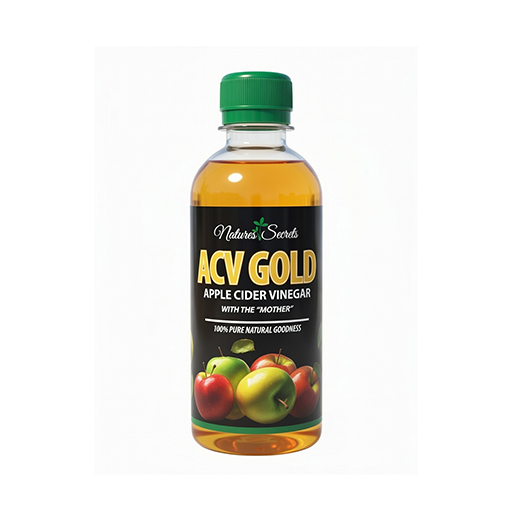

Apple cider vinegar (ACV) is a fermented product made from crushed apples, often used in cooking, natural remedies, and wellness routines. It may help with blood sugar control, weight management, and heart health, but scientific evidence is limited, so it should be used cautiously.
🍎 What Apple Cider Vinegar Is
- Made from fermented apple juice: Yeast converts sugars into alcohol, then bacteria turn alcohol into acetic acid.
- Acetic acid is the main active compound, giving ACV its sour taste and potential health effects.
- Commonly sold as raw/unfiltered (with “the mother”) or filtered varieties.
✅ Potential Health Benefits
| Notes | ||
|---|---|---|
| Blood sugar control | May improve insulin sensitivity and lower post-meal glucose spikes. Helpful for type 2 diabetes management. | |
| Weight management | Can increase satiety, possibly reducing calorie intake. | |
| Heart health | May lower cholesterol and blood pressure in some studies. | |
| Antibacterial properties | Effective against certain bacteria; used in food preservation. | |
| Skin health | Sometimes used for acne or eczema, but can irritate skin if undiluted. |
⚠️ Risks and Side Effects
- Tooth enamel erosion: Acidic nature can damage teeth if consumed undiluted.
- Digestive discomfort: May cause nausea or indigestion in some people.
- Skin burns: Direct application can irritate or burn skin.
- Medication interactions: Can affect potassium levels and interact with diuretics or insulin.
💡 Safe Ways to Use
- Dilute before drinking: Mix 1–2 teaspoons in a large glass of water.
- Cooking: Add to salad dressings, marinades, or sauces.
- Topical use: Only diluted, and patch-test first.
- Avoid high doses: More is not better; moderation is key.
📌 Key Takeaway
Apple cider vinegar can be a useful addition to your diet for flavor and possible health benefits, but it is not a cure-all. If you’re considering using it regularly—especially for blood sugar or cholesterol—consult a healthcare professional first.
Be the first to review “Apple Cider Vinegar 330ml”
Related products

R250,00

R230,00
R70,00

R55,00

R39,95

R24,95

R55,00

New
R19,95
Reviews
There are no reviews yet.